Join us on December 27th for chats & activities! Check back closer to the event for more details and information about what’s in store!
While most people just know how tasty they are, did you know these fun facts about Dungeness crabs?
Dungeness crabs have a lifespan of approximately 10 years.
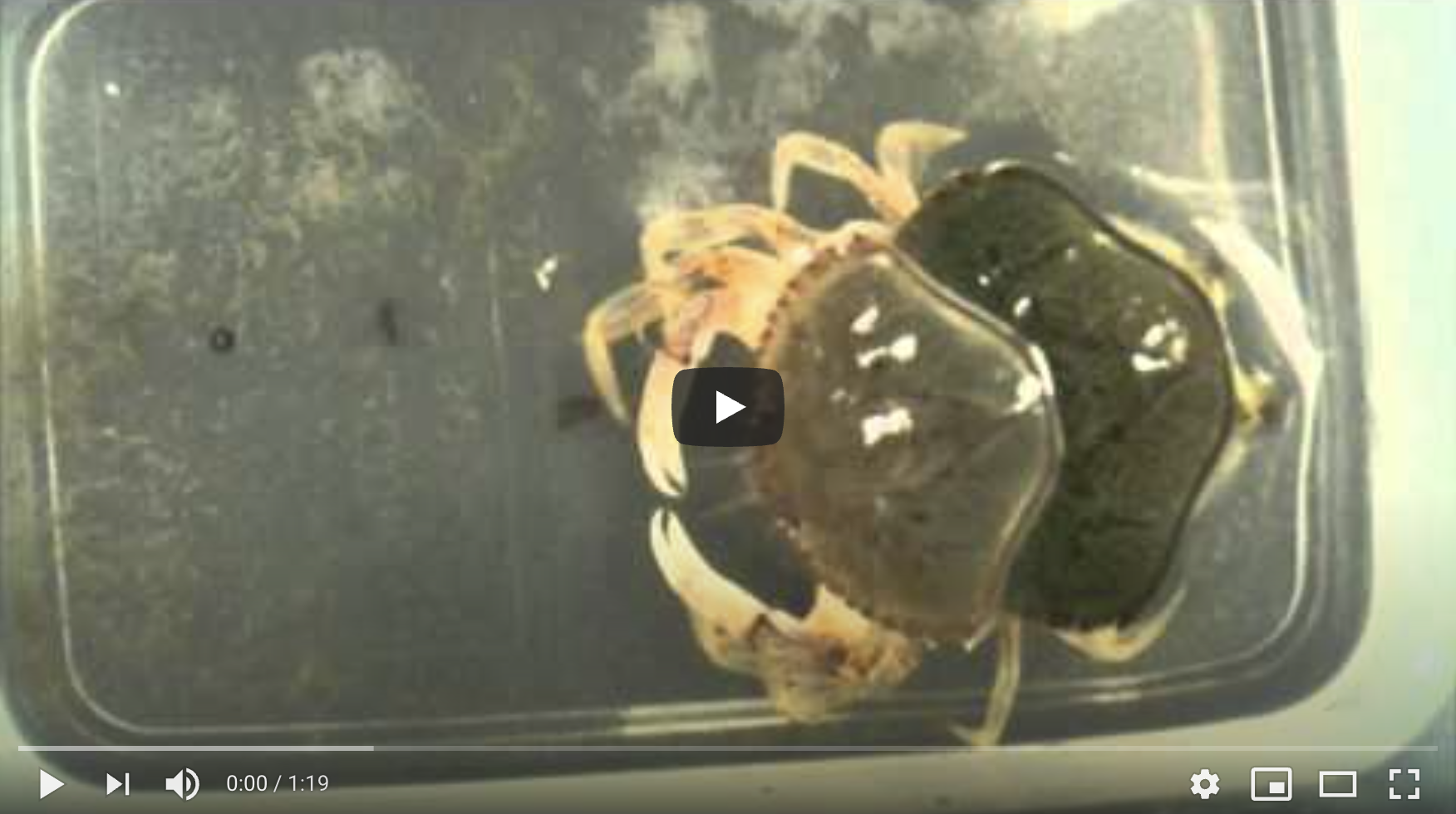
Dungeness crabs grow by molting, or growing a new shell, or exoskeleton, and shedding the old one. Juvenile crabs molt as many as six times each year.
Dungeness crabs start out as small eggs measuring a little over a hundredth of an inch wide. Female crabs will carry upwards of 2.5 million eggs, typically between October and December, until they hatch, typically between January and March.
The state crustacean of Oregon is the Dungeness Crab.
Commercial Dungeness crab fishery allows harvest of male crabs that measure at least 6 ¼” across (when they are approximately 4 years old). In the recreational fishery, male crabs must be at least 5 ¾” across the back of the shell.
In 2019, Oregon commercial crab fishery harvested just over 19 million pounds of Dungeness crab, worth over $67 million dollars.
For many years, Dungeness crab has been Oregon’s most valuable fishery.
Dungeness: Boy or Girl
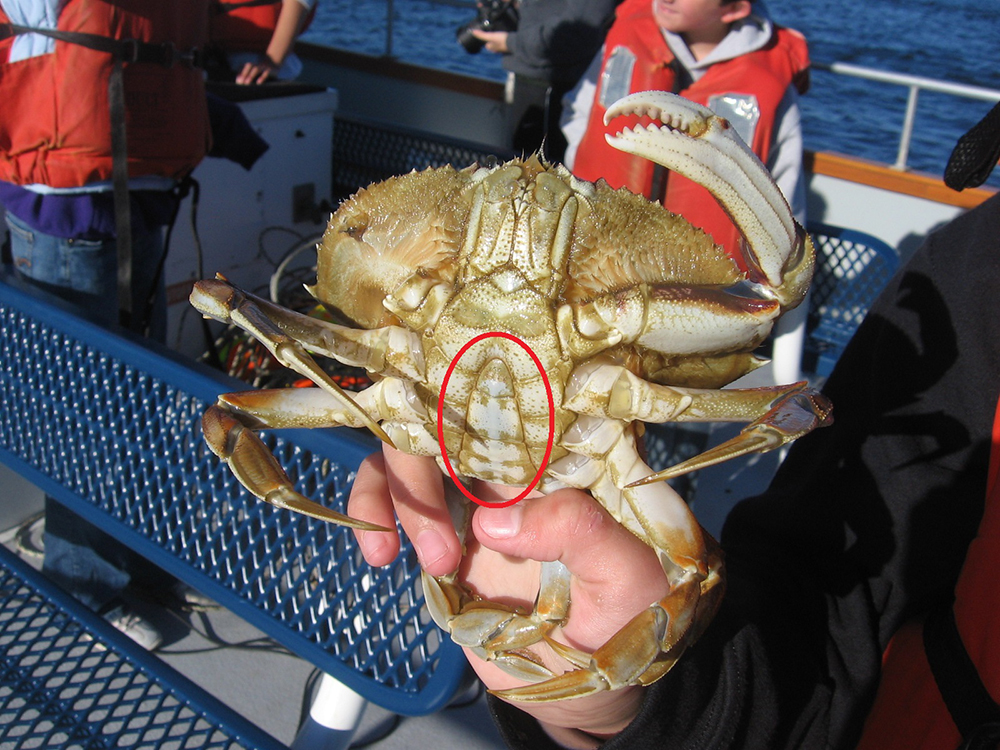
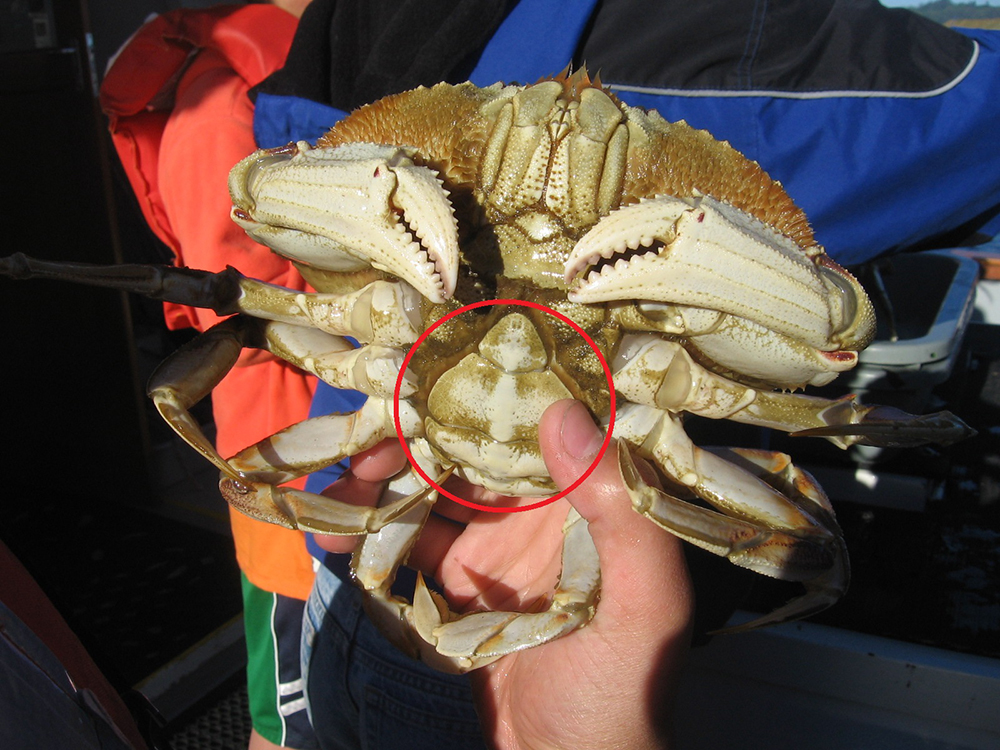
At first glance, male and female dungeness crabs look identical, but when you turn them over and look at the bottom of their shells, there is a clue that identifies the crab as a male or a female.
The abdominal flap on male crabs is narrow. Female crabs have a wider, oval shaped abdominal flap.
Resources
From coloring sheets to informational videos, check out the following resources to help expand your crab knowledge!
Videos
Kids Activities
Activity Sheet
Test your crab knowledge! With puzzles, coloring sheet, and other activities.
While dungeys are the most popular and play a prevalent role in commercial fishing, it’s also important to remember recreational fisherfolk on the Coast! European green crabs and red rock crabs are also able to be recreationally crabbed on the coast. While both are available, they play very different roles in the ocean:
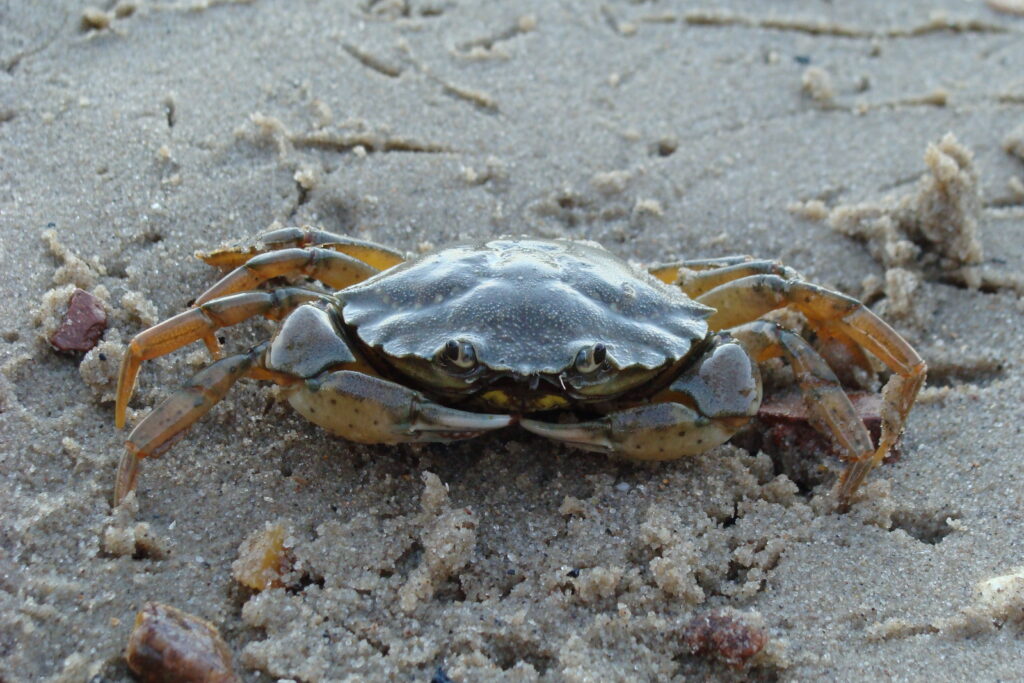
European Green Crab (Invasive)
European green crabs are invasive species, and negatively impact the ecosystem around them. They compete with native crabs for food, larger green crab may eat smaller native shellfish, and they can disturb eelgrass beds important to native fishes and shellfish
ODFW recently increased the daily catch limit of european green crabs up to a bag limit of 35.
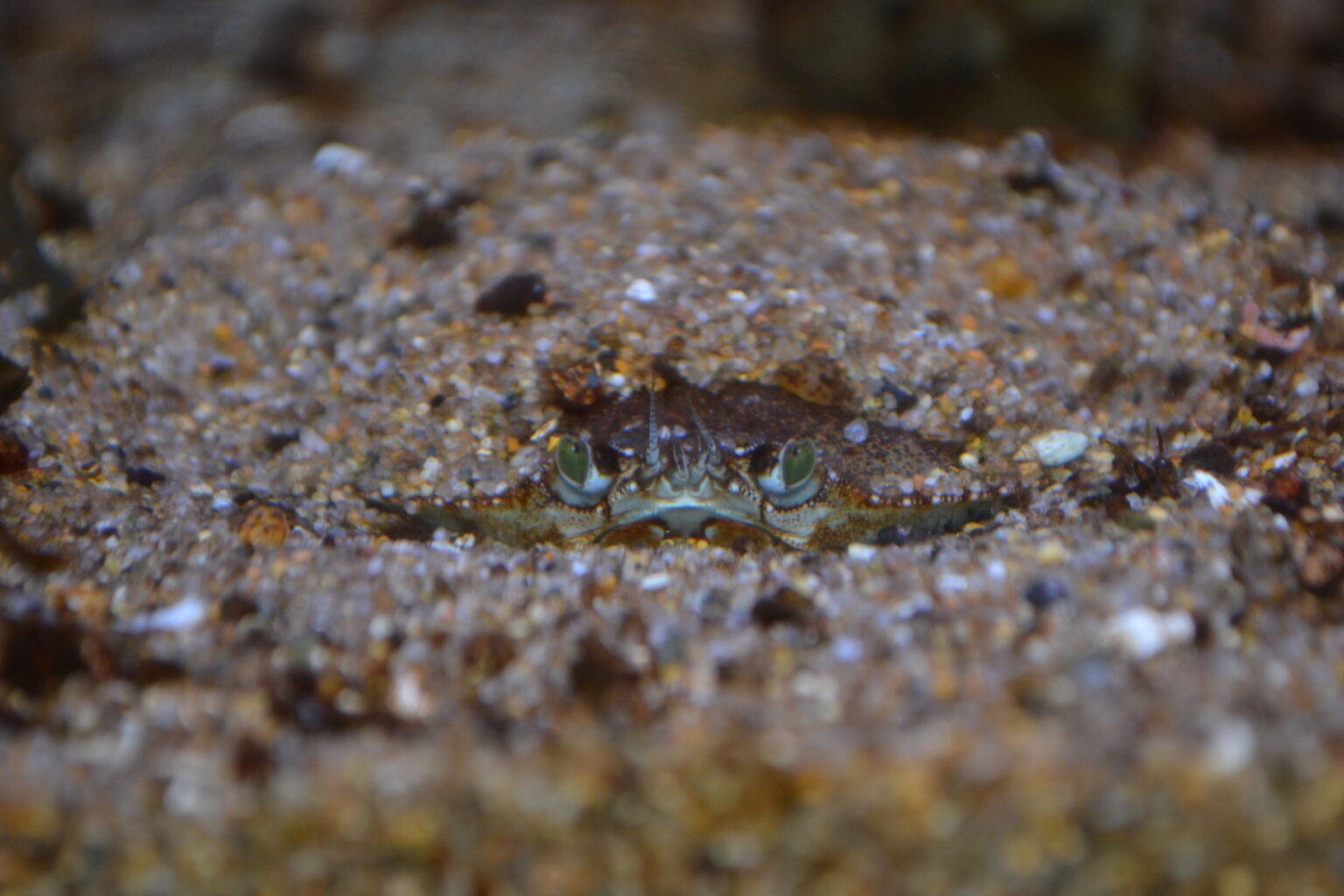
Despite their name, they can appear red, and molting dungeness crabs can be green, so it's important to thoroughly identify the crab before harvesting. The easiest way to identify them is by counting the three bumps between the eyes and the five spines outside of each eye.
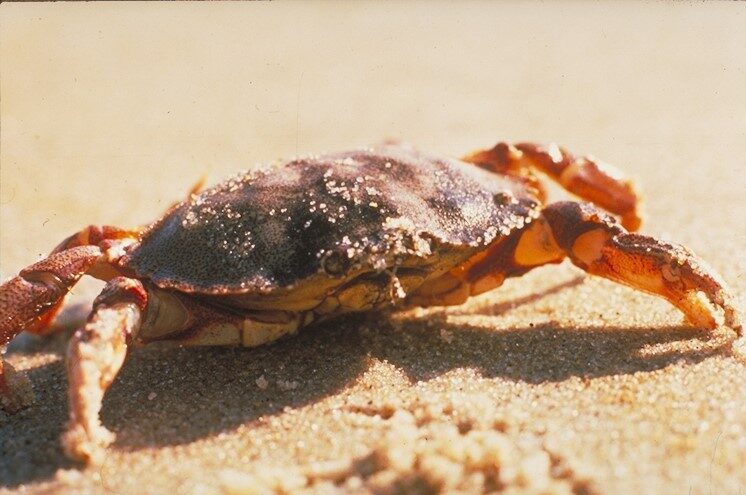
Red Rock Crab (Native)
By contrast to the european green crab, red rock crabs are native to the Oregon Coast!
Red rock crabs are best identified by their fan shaped bodies, black tipped claws and their all-over red bodies.
They are not as popular as Dungeness crabs given they have a much lower amount of flesh. However, people report red rock crabs have a delicate flavor and slightly sweet taste.
We use cookies to improve your experience and see how our guests are navigating the website. If this is alright by you, hit 'Accept All', or 'Settings' to customize and learn more.
Read our cookie policy